Cable Seal Selection Guide and Spec Matrix

Cable Seal Selection Guide and Spec Matrix

Cable Seal Selection Guide and Spec Matrix

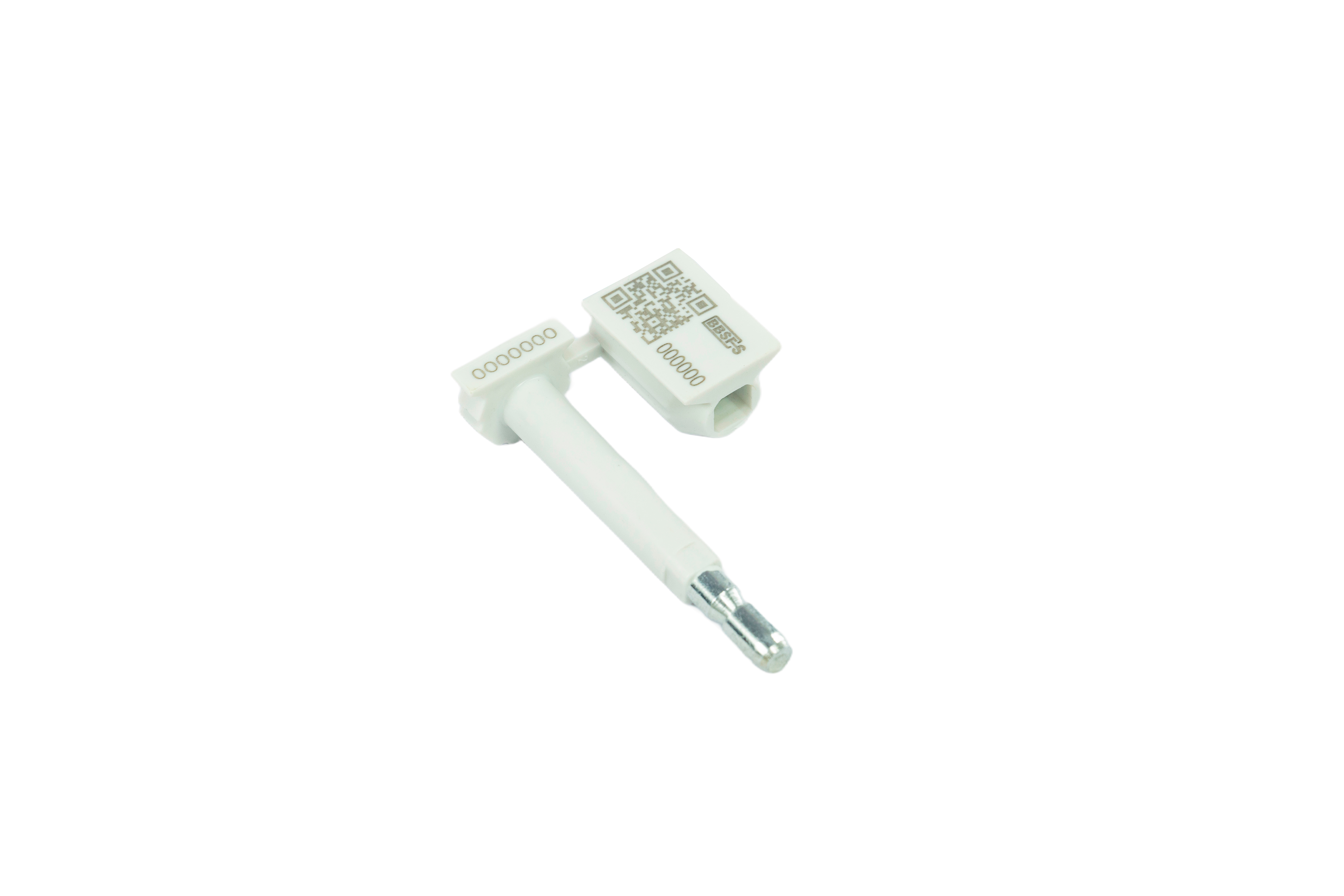
Choosing a seal is really a three-part measurement job: cable diameter, cable length and locking-point geometry. This guide places the published specifications side by side so you can see what is confirmed, what still has to be requested, and which configuration fits the door, cabinet or gate in front of you. The CA-1.5A aluminum cable seal anchors the comparison — a steel locking mechanism inside an aluminum casing, a 300 mm cable and unique serial numbering — and the same tamper-evident construction runs through the wider range offered as a high security cable seal for freight, utility and high-value supply chain applications.

Traceability built in Unique serial numbering on every seal for audit compliance.
Configuration on request Cable diameter and cable length customizable to the application.
Quote-based supply Direct factory wholesale with bulk order support.
Aluminum Cable Seal
Aluminum Cable Seal

How the seal behaves

One Trip, One Serial Number, One Clear Signal

A cable seal is not hardware you fit and forget — it is a control you record at dispatch and verify at receipt. The product is described as a tamper-evident, single-use seal, which means the value sits in the evidence it leaves behind rather than in the strength of the fitting alone.

  • Twist-and-lock installation procedure that the manufacturer states requires no specialised tools.
  • Locking components described as resistant to cutting and forced entry.
  • Corrosion-resistant coating on the aluminum body for outdoor exposure to weather, vibration and physical impact.
  • Tamper-evident locking technology that irreversibly signals an intrusion attempt.

Published specification

CA-1.5A Technical Specifications at a Glance

These are the values carried on the official product page. Where a field exists but no figure is published, it is shown that way rather than filled in with an estimate — a gap you can close with a datasheet request is better than a number nobody can stand behind.

Specification Published detail
Material Steel locking mechanism with aluminum casing
Cable length 300 mm
Diameter of steel cable 1.5 mm
Packaging 1000 pieces per box
Marking Unique serial numbering for traceability and audit compliance
Body treatment Corrosion-resistant coating on the aluminum body
Dimensions Not published — request the datasheet
Breaking strength No numeric figure published — request the test report

The product page states that breaking strengths exceed industry benchmarks for high-strength cable seals, but it does not print a number. If your specification, customs file or insurer requires a figure, ask for the test report before you commit to a bulk order.

Scenario to specification

Which Diameter and Which Length Do You Actually Need?

Work through these three measurements in order. Each one narrows the configuration, and each one ends with the decision that moves you either to a standard part or to a custom request.

1

Measure the aperture, not the door

Find the hasp, bar, bolt hole or gate loop the cable has to pass through and measure its opening. The standard CA-1.5A uses a 1.5 mm steel cable, while wire diameter options are described as customizable to application requirements.

1.5 mm standard → confirm a larger diameter with the factory
2

Measure the run from body to locking point

Add up the distance from where the seal body will sit to the point where the cable closes. The published cable length is 300 mm; the manufacturer also describes flexible cable length configurations for different locking points.

300 mm standard → request a custom length for long runs
3

Decide single-use or reusable

This seal is designed to be applied once and cut off. The locking technology irreversibly signals an intrusion attempt, so a seal that has been opened cannot be closed and reused. If your process needs a reusable fastener, a cable seal is the wrong control.

Single-use → order in bulk against the spec above
Aluminum Cable Seal
Aluminum Cable Seal

Casing decision

When the Aluminum Casing Is the Right Choice

Aluminum is the sensible casing when the locking point is a loop rather than a latch, and when the seal itself has to carry readable information for months of outdoor service.

  • Choose aluminum when the locking point is a hasp, bar, bolt hole or gate loop that a flexible 1.5 mm cable can thread.
  • Choose aluminum when the seal sits outdoors — the body carries a corrosion-resistant coating against weather, vibration and physical impact.
  • Choose aluminum when the audit trail depends on a legible serial number rather than a plain colour indicator.
  • Choose aluminum when you are buying at volume — seals are packed 1000 pieces per box for direct factory wholesale supply.
  • Look at another family when the door hardware is built for a bolt-style body, or when the closure is low-value and only needs a simple indicator — the bolt seal range is listed in the section below.

Marking and records

The Serial Number Is the Part That Gets Audited

Unique serial numbering is the one feature on this product that changes how you operate, not just how you buy. It is listed for traceability and audit compliance, which only pays off if the number is written down somewhere at each handoff.

  • Record the serial at dispatch and log it against the manifest, load sheet or inspection record.
  • Verify the serial at receipt and photograph the intact seal before the cable is cut.
  • Keep the removed seal until the shipment is reconciled — the cut cable is the evidence that the number was closed once.

Additional marking such as a company logo, barcode or a defined serial range is not published on the product page. If your process needs it, raise it with the factory as part of a bulk order enquiry rather than assuming it is included.

Aluminum Cable Seal

Application map

Five Applications, Five Details to Confirm First

Each application below pairs a real product fact with the decision that actually slows a first order down.

Freight and container handoffs

Trailers, cargo doors and container gates are the load-bearing use cases named for this product. The serial number gives every handoff a single recorded reference instead of a verbal description.

Decide first: who writes the serial down at dispatch, and who checks it at receipt.

Utility meter boxes and gas valves

The corrosion-resistant coating on the aluminum body is what makes outdoor cabinets a realistic fit. The 300 mm cable has to reach from the cabinet housing to the valve or box loop without stretching.

Decide first: whether the standard 300 mm run clears the cabinet edge, or a custom length is needed.

Fire extinguishers and safety equipment

Inspection rounds are routine and repetitive, which makes the twist-and-lock procedure — no specialised tools — the deciding feature here.

Decide first: annual seal consumption, so 1000-piece boxes are ordered before the inspection cycle, not during it.

Banking and cash-in-transit

The irreversible tamper-evident signal is the core control for bag and container transfers, where an interrupted seal has to be obvious rather than arguable.

Decide first: the serial range and reconciliation sheet used at each collection point.

Customs and high-value supply chain

Locking components engineered against cutting and forced entry suit movements where an external party may inspect the documentation.

Decide first: whether a customs or insurer file needs a breaking-strength test report before release.

Request a quote

Order the Configuration, Not Just the Catalogue Number

Ordering runs through a quote process rather than a checkout: the supplier positions itself as direct factory wholesale, accepts bulk orders and treats cable diameter and cable length as customizable variables. Sending the right details in one message is what turns an enquiry into a priced offer.

  • The model you are comparing, for example CA-1.5A, or the locking-point measurement if you want the factory to advise.
  • Cable diameter and required cable length, or the aperture and run measured at the door, cabinet or gate.
  • Marking requirement, including any serial range, logo or additional marking you need quoted as an option.
  • Order quantity and destination, with packaging noted at 1000 pieces per box as the published standard.

Get a Quote

Send your measurements, quantity and marking requirements through the contact page and ask for the CA-1.5A datasheet and test report alongside the price.

Contact Us

Related Reading

Three notes to help clarify product requirements before contacting the supplier.

How to Choose an Aluminum Cable Seal Manufacturer for Wholesale

Wholesale buyers need an aluminum cable seal manufacturer that can support recurring orders, consistent specifications, and a clear bulk RFQ process.

Read article

Tamper-Evident Cable Seals for Truck Door and Trailer Handoffs

Fleet teams need a cable seal that shows tampering clearly, installs quickly at each stop, and gives staff a serial number to record during trailer door handoffs.

Read article

Aluminum Cable Seals for Utility Meter Boxes and Gas Valves

Utility meter boxes and gas valve panels are inspected on a schedule, but they are rarely watched between visits.

Read article

Frequently Asked Questions

what is the ca-1.5a aluminum cable seal made of?

the published specification lists a steel locking mechanism with an aluminum casing, a 1.5 mm diameter steel cable and a 300 mm cable length. the aluminum body carries a corrosion-resistant coating for outdoor exposure.

is there a published breaking strength for this seal?

no numeric breaking strength is published on the product page. the copy states that breaking strengths exceed industry benchmarks for high-strength cable seals, but no figure is given. ask for the test report if your specification or insurer requires a number.

how do i choose the cable diameter and cable length?

start with the aperture of the hasp, bar, bolt hole or gate loop, then measure the run from the seal body to the locking point. the standard ca-1.5a uses a 1.5 mm cable and a 300 mm length, and both wire diameter options and cable length configurations are described as customizable to application requirements.

is the seal reusable?

no. it is a single-use, tamper-evident seal. the locking technology irreversibly signals an intrusion attempt, so a seal that has been removed cannot be re-fitted and reused.

how is the seal installed, and how does it ship?

installation is a twist-and-lock procedure that the manufacturer states requires no specialised tools. seals are packed 1000 pieces per box, and each seal carries unique serial numbering for traceability and audit compliance.

how do i order, and can a bulk order be customized?

ordering is quote-based rather than direct checkout. send the model, cable diameter, cable length, marking or serial range, quantity and delivery destination through the contact page. the supplier positions itself as direct factory wholesale with bulk order and customization support.

Laisser un message
Nom de famille
E-mail *
Nom de votre entreprise *
Message